Living in Tampa Florida
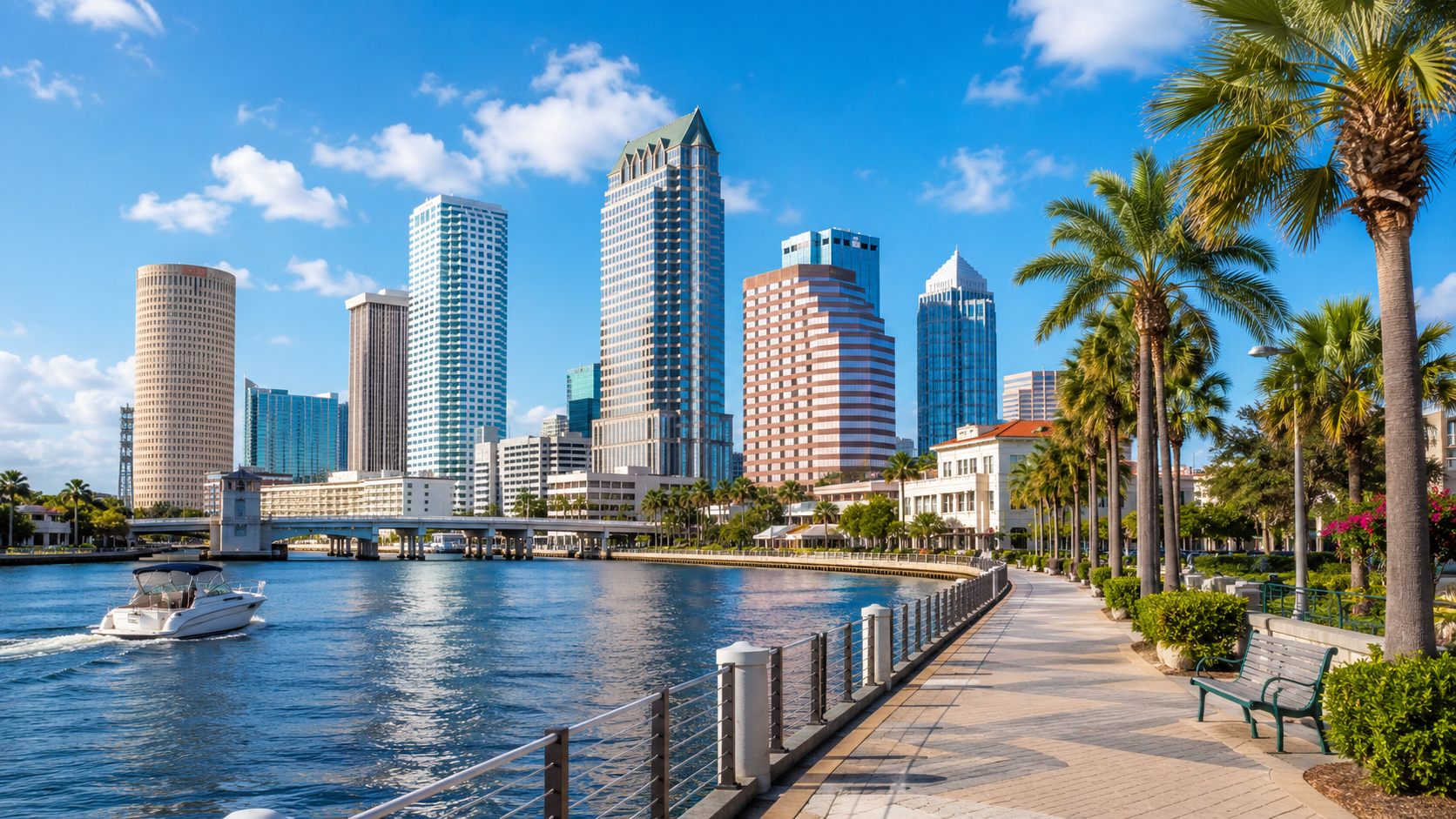
Tampa combines urban districts, historic neighborhoods, suburban communities, and waterfront areas.
Because neighborhoods differ considerably, housing style and daily convenience vary across the city. Therefore, compare services, traffic, and property risks before moving.
Choosing a Tampa Neighborhood
Downtown and Channelside provide apartments, entertainment, and urban amenities. Meanwhile, Hyde Park and Seminole Heights offer distinctive residential surroundings.
South Tampa, West Tampa, and northern neighborhoods provide further choices. Consequently, budget, commute needs, and flooding should guide your search.
Housing in Tampa
Housing includes apartments, condominiums, townhomes, historic houses, and newer construction.
Before purchasing, research zoning, permits, flood information, and historic restrictions. Tampa provides current zoning maps and permitting resources for property research.
Historic properties may have additional considerations. Therefore, check district boundaries before planning major exterior changes.
Working in Tampa
Employment opportunities include healthcare, finance, education, tourism, technology, construction, government, and professional services.
Additionally, the wider Tampa Bay region expands employment choices. Workplace location should influence your neighborhood decision.
Getting Around Tampa
Most residents combine driving with limited public transportation, walking, cycling, or rideshares.
Major roads and bridges can experience heavy traffic. Therefore, test expected routes during weekday commuting periods.
Hurricane Preparation
Tampa’s Gulf Coast location makes hurricane preparation essential. The city publishes hurricane guidance covering evacuation, emergency planning, utilities, and household preparedness.
New residents should learn evacuation zones shortly after moving.
Flooding and Insurance
Flood exposure varies widely across Tampa. The city provides Hillsborough County flood maps and National Flood Insurance resources for property research.
Therefore, investigate elevation and insurance costs before purchasing. Waterfront proximity alone should not determine your assessment.
Tampa Schools
Hillsborough County Public Schools serves Tampa and surrounding communities. Its online tools allow families to research neighborhood schools using a residential address.
Consequently, verify assignments before committing to a property.
Parks and Outdoor Recreation
Tampa provides waterfront parks, trails, recreation centers, boating opportunities, sports facilities, and access to regional beaches.
Meanwhile, year-round warm weather supports extensive outdoor recreation. Still, summer heat and thunderstorms require preparation.
Setting Up Tampa Utilities
Service providers depend on the property and location. Electricity, water, wastewater, trash, recycling, and internet may require separate accounts.
Therefore, confirm each responsibility before your scheduled move.
Final Thoughts
Tampa Florida combines Gulf Coast recreation, employment opportunities, varied neighborhoods, and urban amenities. However, flood and hurricane planning remain important parts of relocation.
Most importantly, compare insurance, schools, commute routes, zoning, flood exposure, and housing costs before choosing your home.