
































Cape Coral Florida Relocation Guide provides helpful information for anyone considering a move to this beautiful southwestern Florida city. Located in Lee County along the Caloosahatchee River, Cape Coral combines waterfront neighborhoods, scenic canals, and convenient community amenities. Additionally, its warm climate, outdoor recreation, and proximity to Fort Myers make it attractive to families, professionals, and retirees.
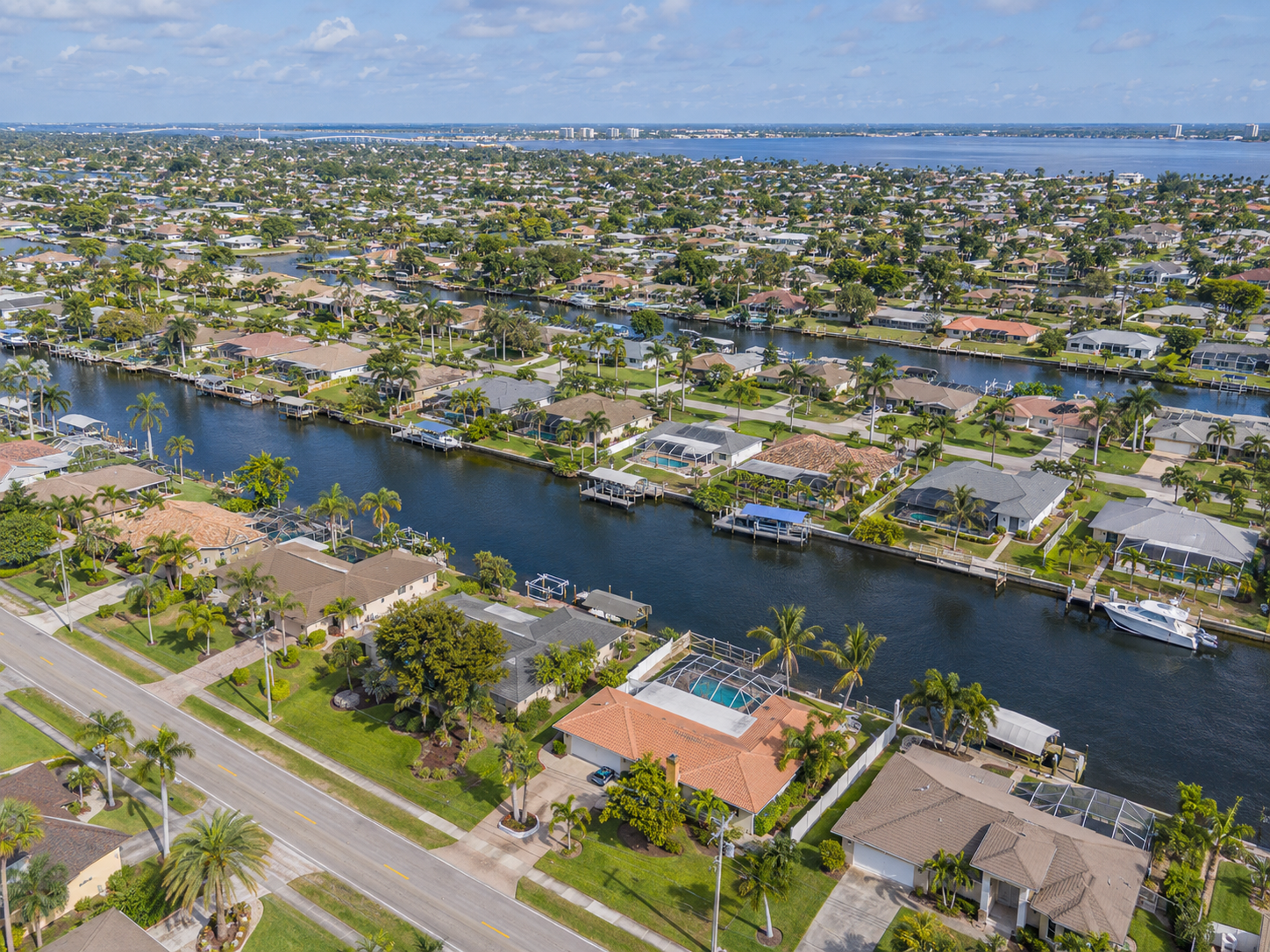
Cape Coral offers a relaxed coastal lifestyle with waterfront homes, neighborhood parks, and year-round outdoor activities. Residents enjoy boating, fishing, kayaking, and exploring the city’s extensive canal system.
Additionally, the city provides access to employment opportunities in healthcare, construction, retail, tourism, and professional services.
Nearby Fort Myers, Sanibel Island, and Fort Myers Beach offer additional entertainment, shopping, and recreational destinations. Meanwhile, Cape Coral’s growing residential communities provide a variety of housing choices.
The city’s waterfront surroundings make it especially appealing to boating enthusiasts and outdoor lovers.
Cape Coral offers various housing and lifestyle options for different household budgets. Living expenses depend on housing choices, utilities, insurance, transportation, and everyday needs.
Additionally, waterfront properties and homes with direct boating access often carry higher prices.
Florida does not impose an individual state income tax. However, homeowners should carefully consider property insurance, flood coverage, and hurricane-related maintenance expenses.
Summer cooling costs can also influence monthly utility bills.
Housing prices vary depending on neighborhood, property size, and market conditions. Therefore, comparing rental rates and homeownership expenses is important before relocating.
The Lee County Property Appraiser provides information about property values, exemptions, and assessment records.
Cape Coral features waterfront homes, established neighborhoods, newer residential developments, condominiums, apartments, and single-family properties.
Southeast Cape Coral offers established neighborhoods near shopping, restaurants, and the Cape Coral Bridge. Meanwhile, Southwest Cape Coral features waterfront properties and residential communities near Cape Harbour.
Additionally, Northwest Cape Coral provides newer developments, vacant residential lots, and expanding neighborhoods.
Northeast Cape Coral offers additional housing choices with access to commercial areas and major roadways.
Buyers should compare property prices, neighborhood amenities, insurance costs, and commuting distances before purchasing.
Waterfront buyers should also investigate seawall conditions, canal access, bridge clearances, and boating restrictions.
The City of Cape Coral provides information about planning, development, and municipal services.
Hurricane preparedness is an important consideration when relocating to Cape Coral. The city experiences seasonal tropical storms, heavy rainfall, and potential storm surge.
Additionally, some properties face greater flooding risks depending on location and elevation.
The City of Cape Coral Flood Protection page provides flood maps, elevation information, and property protection resources.
Residents should also review hurricane evacuation zones and emergency preparation guidelines.
Flood zones and evacuation zones serve different purposes. Therefore, homeowners should research both before purchasing property.
Insurance coverage, roof condition, drainage, and elevation can significantly influence homeownership expenses.
Education plays an important role in the Cape Coral community. The School District of Lee County serves local students through elementary, middle, and high schools.
Additionally, Cape Coral operates the Oasis Charter Schools system, offering educational programs for different grade levels.
Nearby Fort Myers provides higher education opportunities through Florida SouthWestern State College.
Florida Gulf Coast University also offers undergraduate, graduate, and professional degree programs in the surrounding region.
Families should verify school assignments, enrollment requirements, transportation options, and available academic programs before relocating.
Cape Coral provides access to hospitals, medical clinics, and specialized healthcare services.
Cape Coral Hospital serves as a major healthcare facility within the community. It provides emergency care, surgical services, medical imaging, and specialized treatments.
Additionally, Lee Health operates medical offices, outpatient facilities, and specialty practices throughout southwestern Florida.
Residents can find primary care providers, dental offices, rehabilitation services, and urgent care facilities throughout the city.
Nearby Fort Myers offers additional hospitals and specialized medical resources.
These healthcare services support families, working professionals, and retirees throughout Lee County.
Outdoor recreation is one of Cape Coral’s greatest attractions. The city’s extensive canal system provides opportunities for boating, fishing, kayaking, and waterfront relaxation.
Four Mile Cove Ecological Preserve features scenic boardwalks, nature trails, and wildlife viewing opportunities. Its peaceful surroundings attract residents who enjoy exploring Florida’s natural habitats.
Meanwhile, Sirenia Vista Park provides kayaking access, fishing opportunities, and seasonal manatee viewing.
Additionally, Rotary Park offers nature programs, walking trails, and environmental education activities.
The Sun Splash Family Waterpark provides seasonal water attractions and family entertainment.
Cape Coral’s Yacht Club Community Park also features a public beach area. However, major facilities and waterfront improvements remain under redevelopment.
Residents can explore additional activities through the Cape Coral Parks and Recreation Department.
Cape Coral offers a diverse selection of restaurants, coffee shops, boutiques, and everyday shopping conveniences.
Downtown Cape Coral features locally owned restaurants, specialty businesses, and entertainment venues. Additionally, Southeast 47th Terrace serves as a popular destination for dining and community activities.
Cape Harbour offers waterfront restaurants, boutique shopping, and marina views.
Meanwhile, Del Prado Boulevard and Pine Island Road provide major commercial corridors with grocery stores, national retailers, and shopping centers.
Residents can explore seafood restaurants, international cuisine, casual dining, and neighborhood cafés throughout the city.
Nearby Fort Myers provides additional shopping destinations and entertainment opportunities.
Cape Coral hosts community celebrations, cultural festivals, seasonal markets, and outdoor entertainment throughout the year.
The annual Cape Coral Art Festival & Market Place showcases artists, handmade creations, and specialty vendors. Additionally, the event attracts visitors from throughout southwestern Florida.
The Cape Coral Farmers Market features fresh produce, local products, prepared foods, and artisan goods.
Meanwhile, Tour de Cape brings cyclists together for organized rides and recreational activities.
The city also hosts holiday celebrations, outdoor concerts, and family-friendly community gatherings.
Residents can explore upcoming activities through the Chamber of Commerce of Cape Coral.
Cape Coral provides convenient regional transportation through Veterans Memorial Parkway, Cape Coral Parkway, and Pine Island Road.
The Cape Coral Bridge and Midpoint Memorial Bridge connect residents to Fort Myers and surrounding Lee County communities.
Additionally, Interstate 75 provides regional access through nearby Fort Myers.
Southwest Florida International Airport offers commercial air travel within driving distance.
LeeTran operates public bus transportation throughout Lee County, including routes serving Cape Coral.
However, personal vehicles remain useful for everyday commuting, shopping, and exploring surrounding communities.
Traffic conditions and bridge crossings are important considerations for residents working in Fort Myers.
Cape Coral provides municipal services, including water, wastewater, irrigation, and solid waste collection.
However, some neighborhoods still rely on private wells and septic systems. Utility availability can vary by property location.
The city’s Utilities Extension Project continues expanding municipal water, sewer, and irrigation services into additional neighborhoods.
Buyers should review existing utility connections, planned improvements, and possible assessments before purchasing a property.
Additionally, residents can find information about utility billing, permits, and other services through the City of Cape Coral.
Cape Coral Florida offers a combination of waterfront living, welcoming neighborhoods, and convenient community amenities. Its outdoor recreation, educational resources, and healthcare services create an appealing lifestyle.
Whether relocating for employment, family, or retirement, Cape Coral provides opportunities to enjoy southwestern Florida’s coastal beauty and year-round sunshine.